
Material Tests 🔍
We test selected products for you and share our experiences, practical tips, and useful resources.
💡 Beginners: Learn which materials to use and how embroidery works at Make Ma (no payment received; tutorials are just very well explained): tutorials and material tests included.
Embroidery Fabrics
Fabrics we have tested and their suitability for different embroidery techniques.
| Material & Description | Photo | Notes & Tips |
|---|---|---|
Soft Thin Leather: Flexible, lightweight leather suitable for embroidery. |
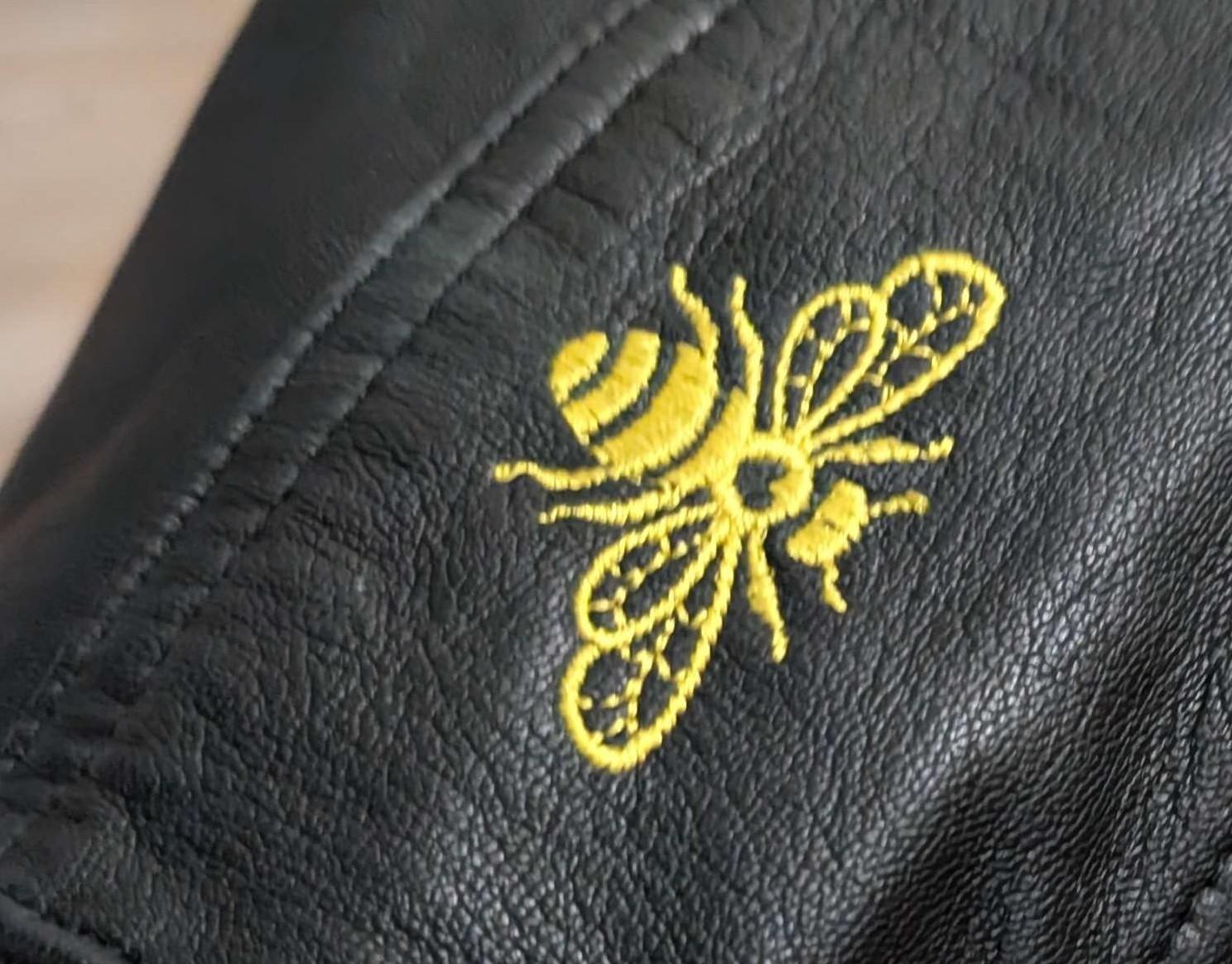 |
Use only soft, thin leather; avoid thick or stiff leather, as it is difficult to embroider and may damage our machine or needles. |
| Softshell: Soft, flexible, and slightly stretchy fabric for embroidery. | 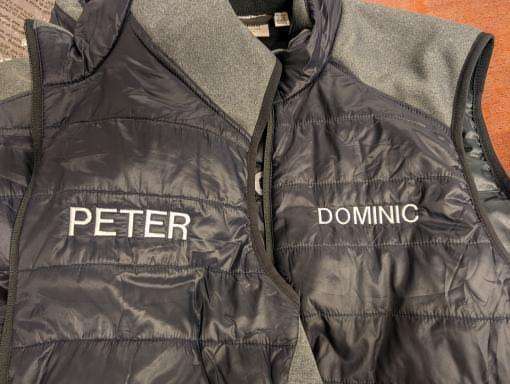 |
For waterproof fabrics, use heat-activated seam sealing tape on the inside to keep the fabric waterproof after embroidery. Hint: For thin waterproof fabrics, do not tear off the stabilizer by hand after finishing the embroidery. Use scissors instead, as hand-tearing may create large holes due to the fabric’s fragility. |
| Cotton fabrics: Versatile and easy-to-embroider fabric | A very beginner-friendly material | |
| Terry cloth (Towel fabric / Nicky): A fluffy, looped fabric with small loops. | 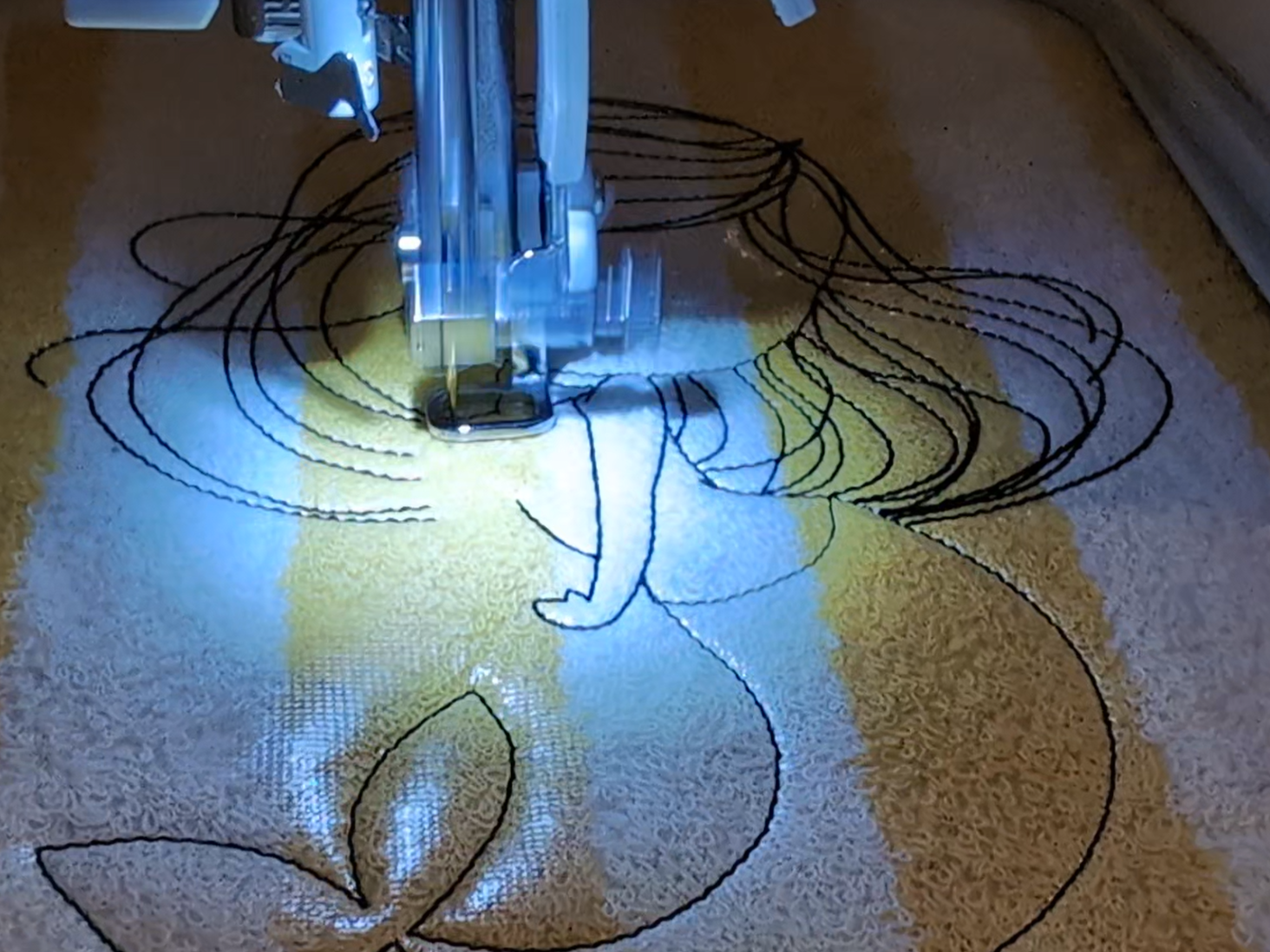 |
Use water-soluble stabilizer underneath, and a water-soluble topping on top for a smoother embroidery finish. |
🚧 Further testing results coming soon
Stabilizers & Backings
Tested stabilizers for different embroidery use cases.
🚧 Testing results coming soon
Effect Materials
Special materials for embroidery effects, such as 3D foam, batting (wadding), reflective films, and other experimental materials.
🚧 Testing results coming soon