
Material Tests 🔍
We test selected products for you and share our experiences, practical tips, and useful resources.
Embroidery Fabrics
Fabrics we have tested and their suitability for different embroidery techniques.
| Material & Description | Photo | Notes & Tips |
|---|---|---|
Soft Thin Leather: Flexible, lightweight leather suitable for embroidery. |
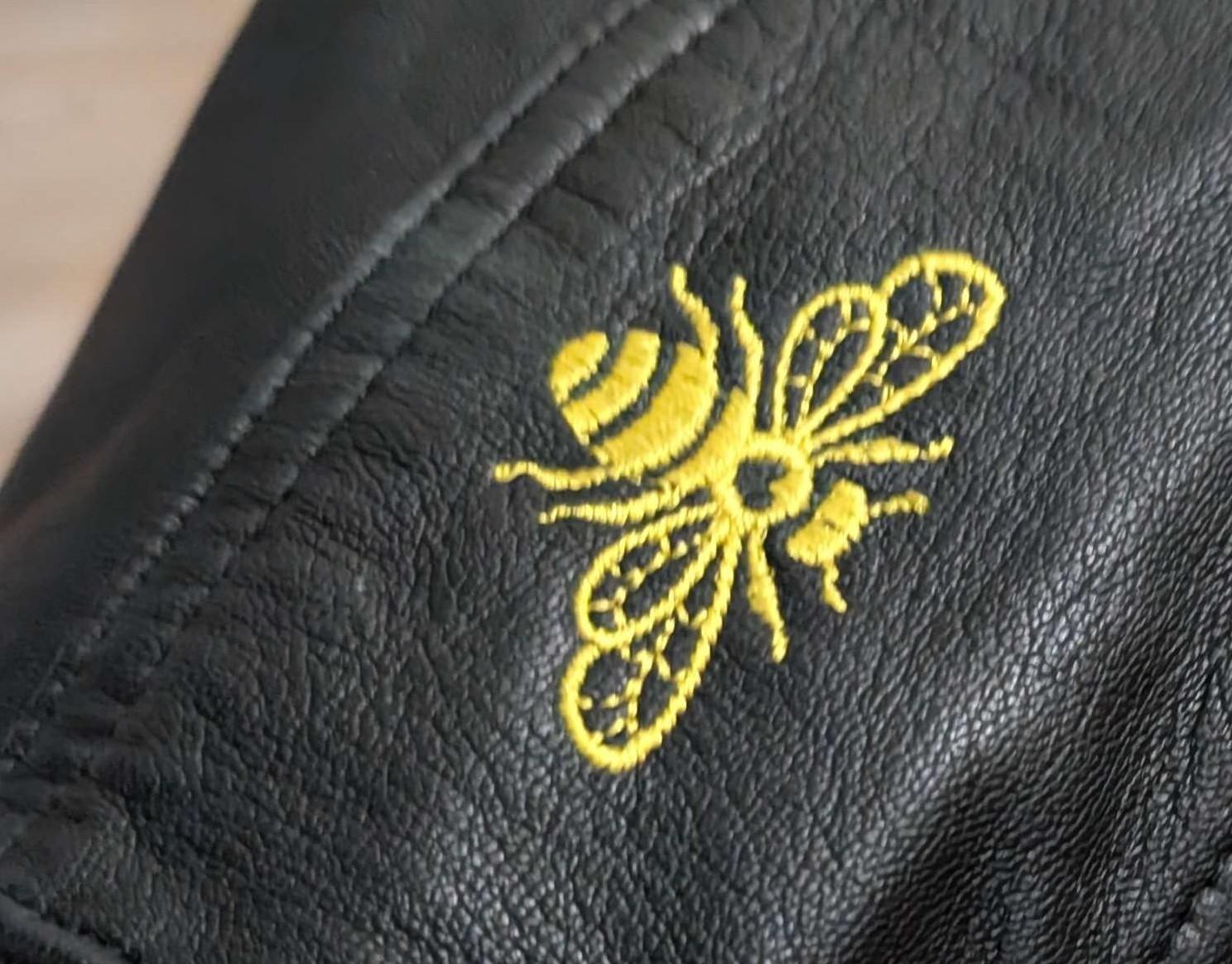 |
Use only soft, thin leather; avoid thick or stiff leather, as it is difficult to embroider and may damage our machine or needles. |
| Softshell: Soft, flexible, and slightly stretchy fabric for embroidery. | 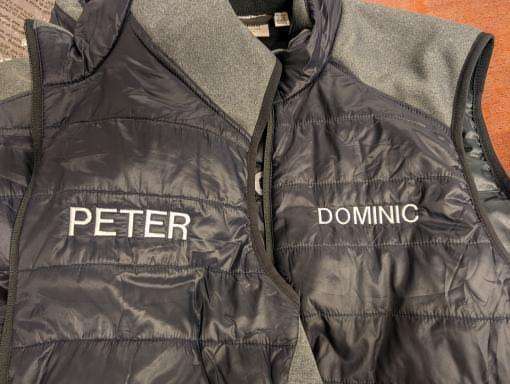 |
For waterproof fabrics, use heat-activated seam sealing tape on the inside to keep the fabric waterproof after embroidery. Hint: For thin waterproof fabrics, do not tear off the stabilizer by hand after finishing the embroidery. Use scissors instead, as hand-tearing may create large holes due to the fabric’s fragility. |
| Cotton fabrics: Versatile and easy-to-embroider fabric | A very beginner-friendly material |
Further testing results coming soon
Stabilizers & Backings
Tested stabilizers for different embroidery use cases.
Testing results coming soon
Effect Materials
Special materials for embroidery effects, such as 3D foam, batting (wadding), reflective films, and other experimental materials.
Testing results coming soon